
Filters
112 products
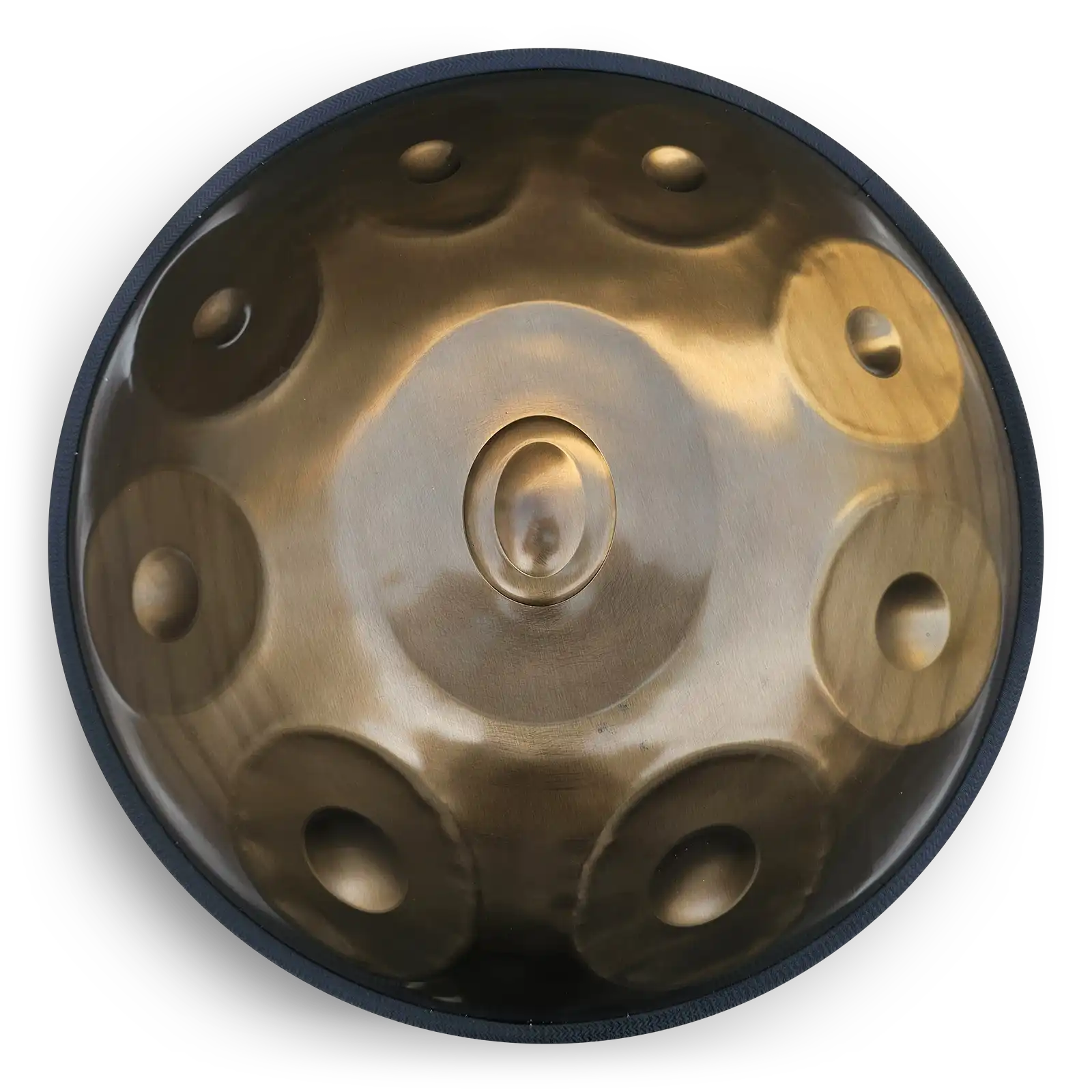

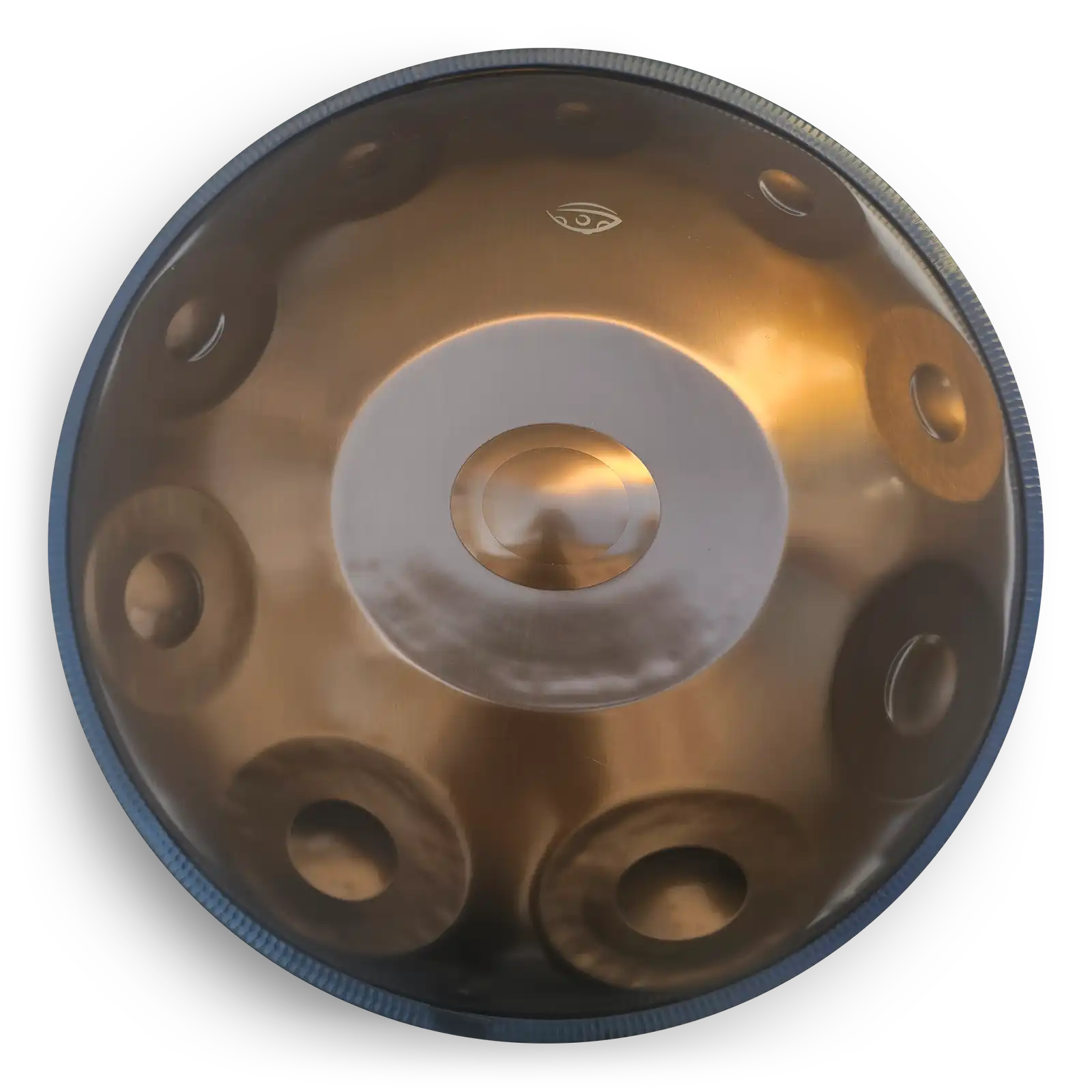
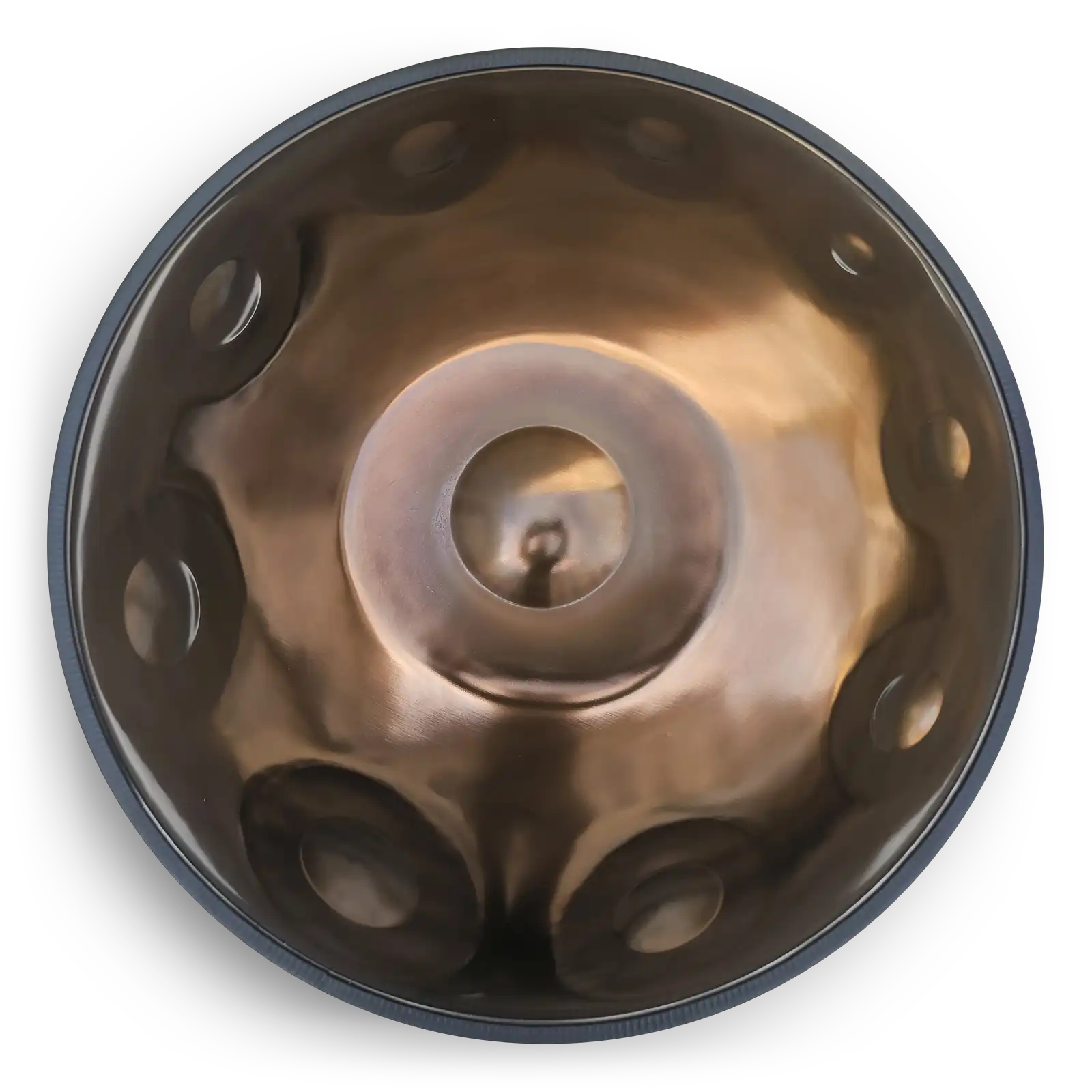
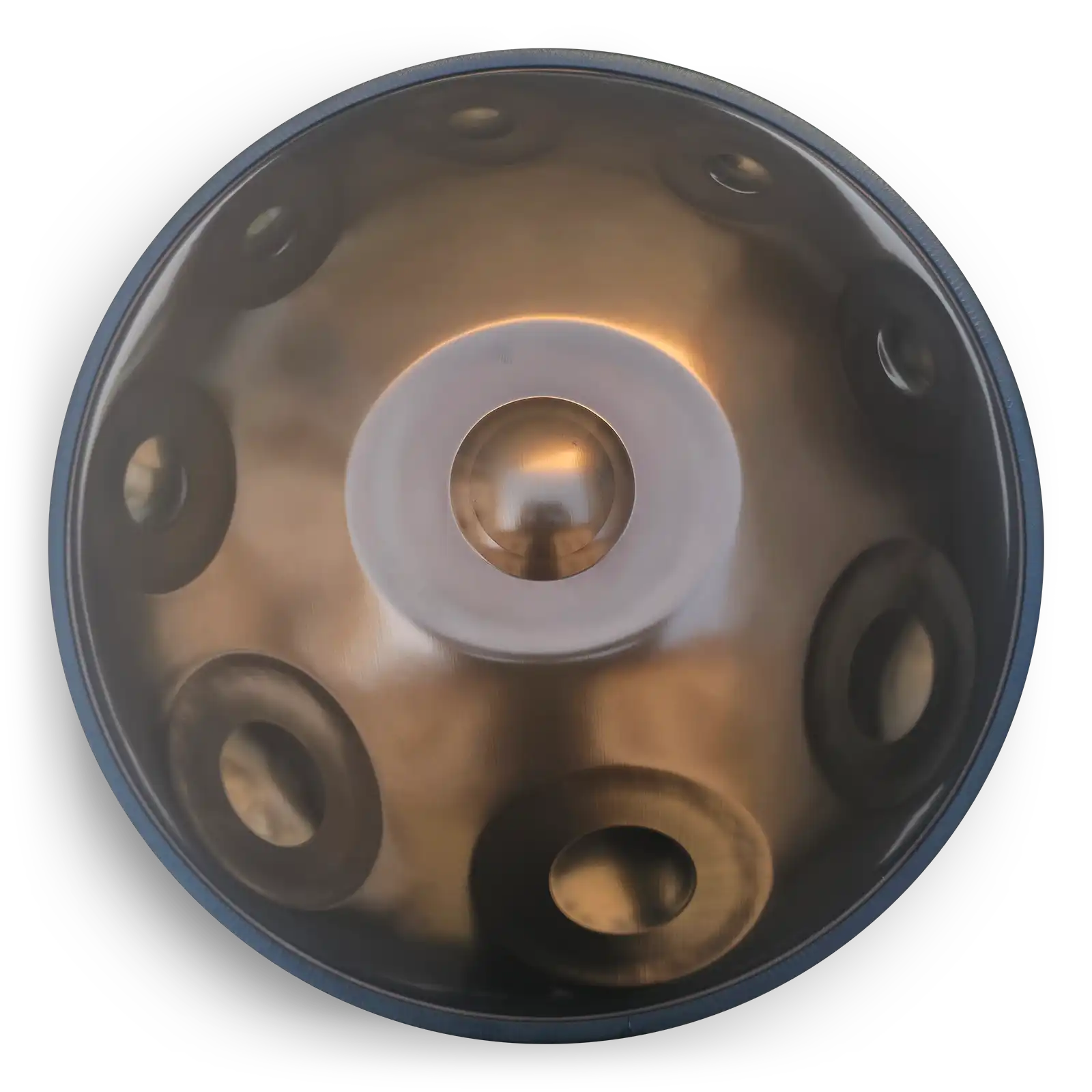
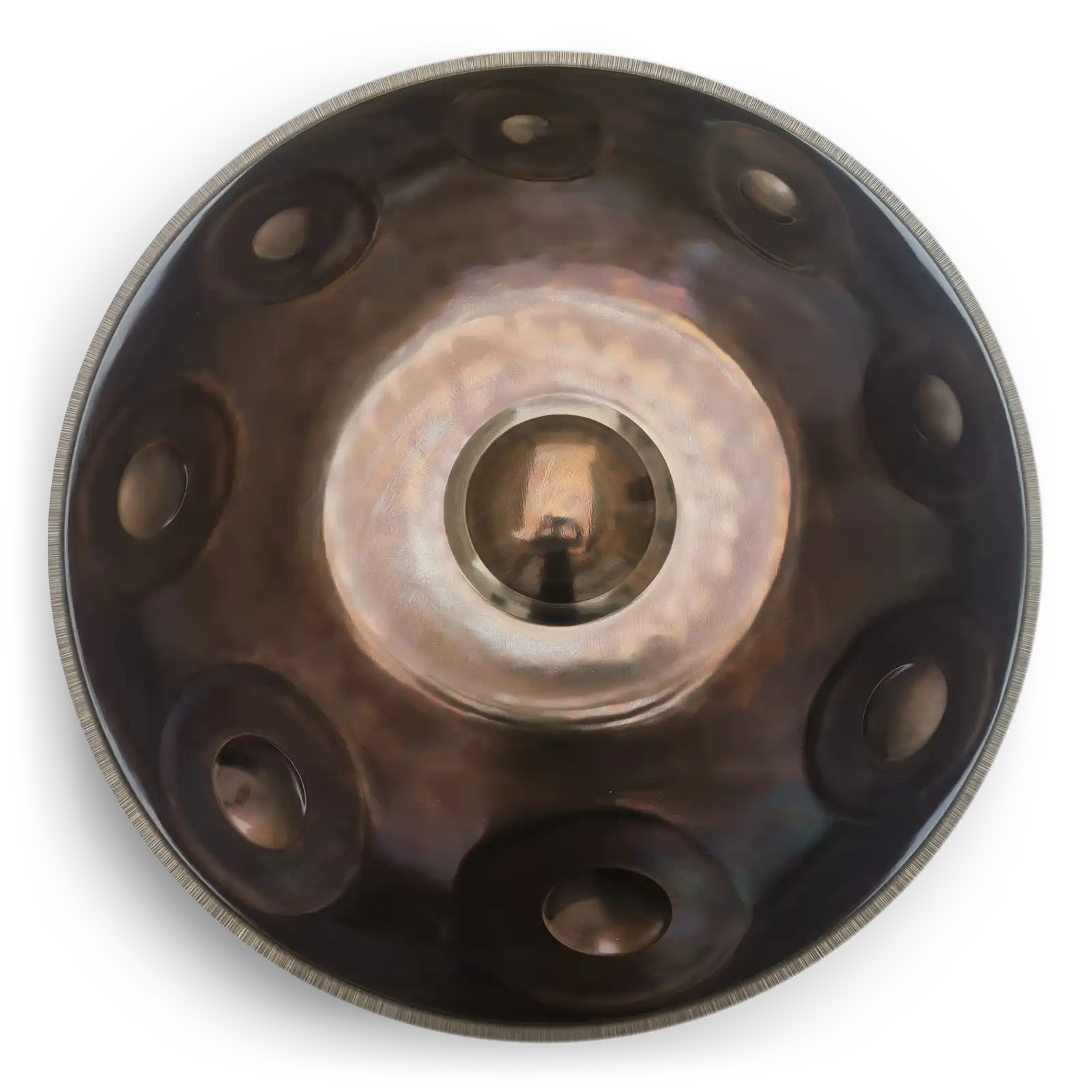
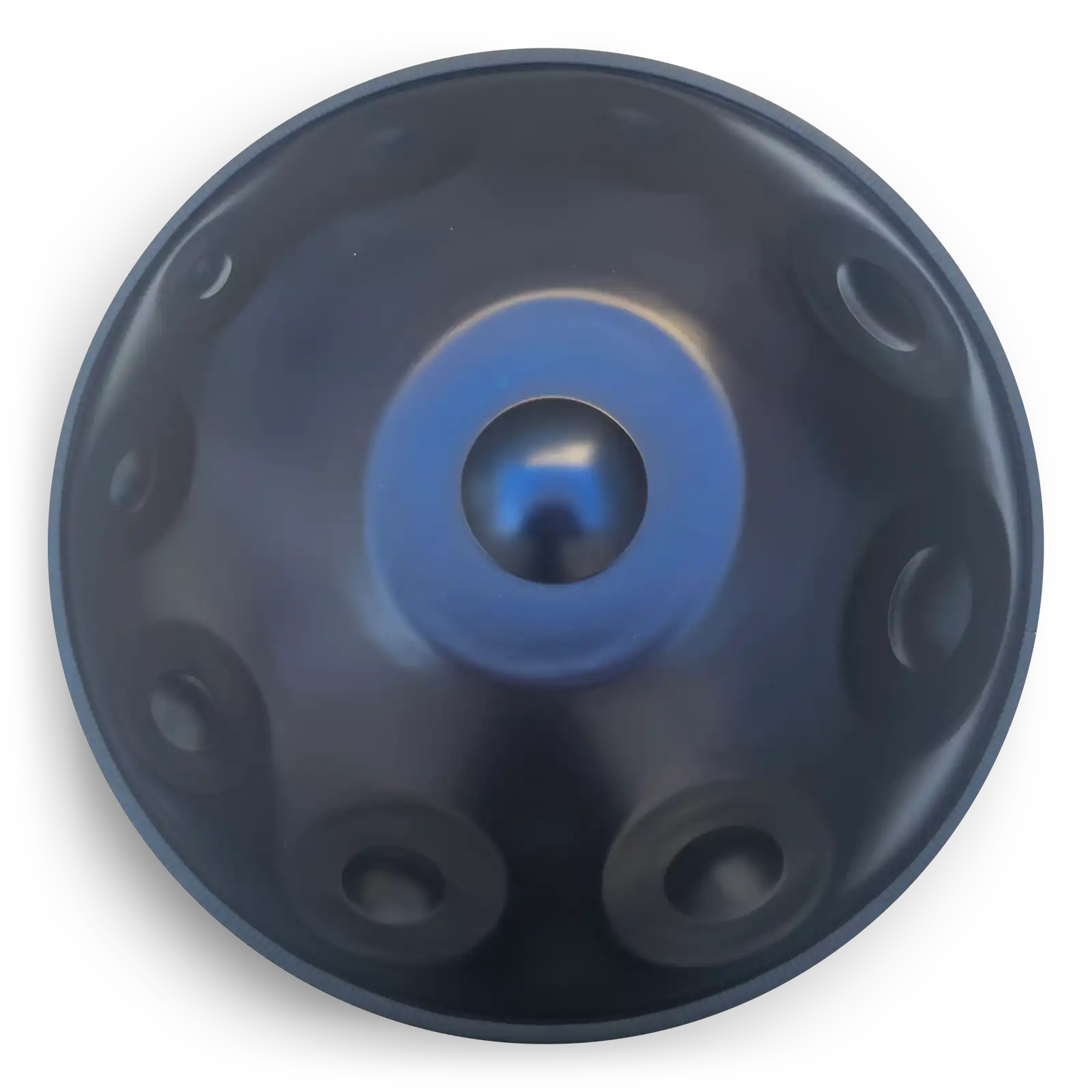
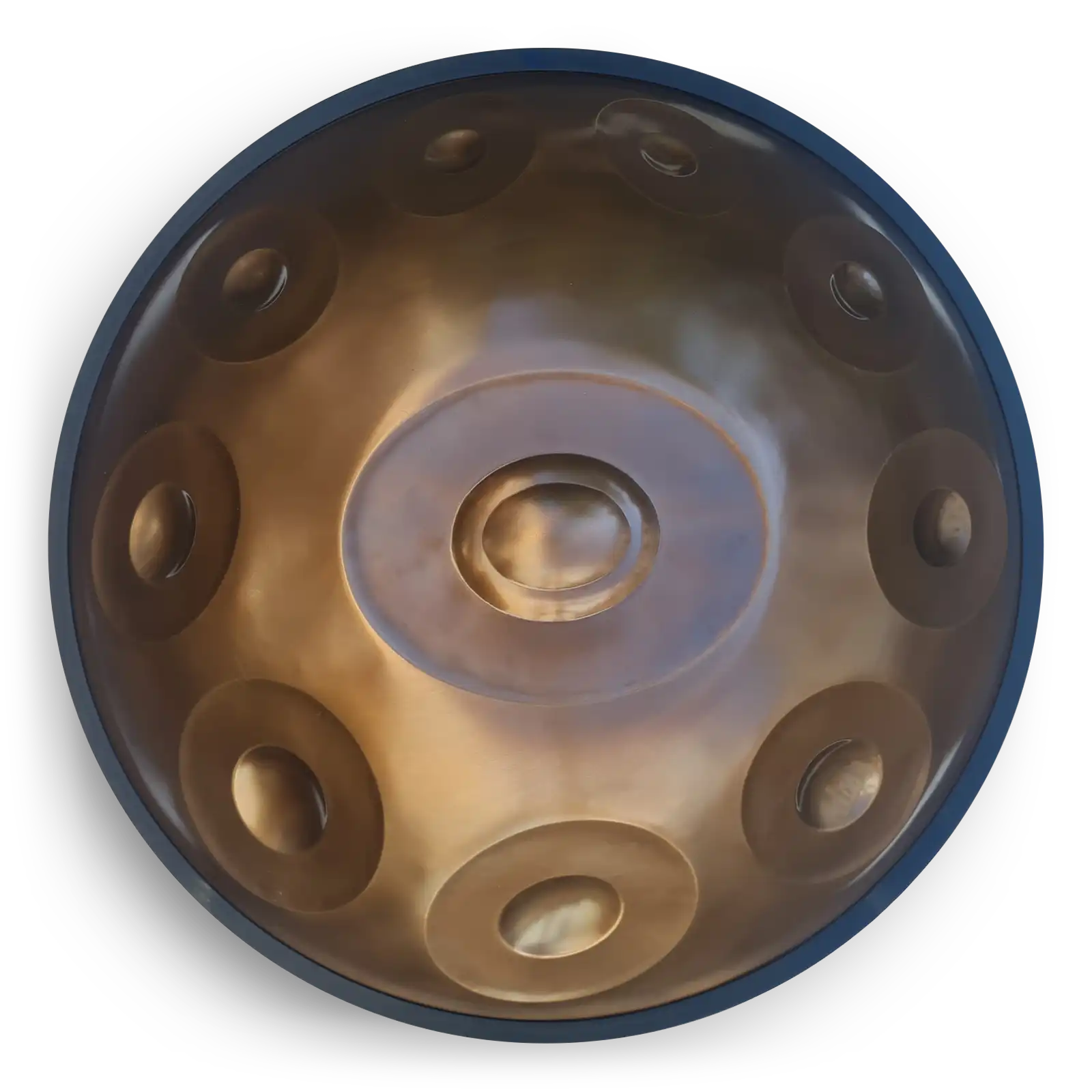
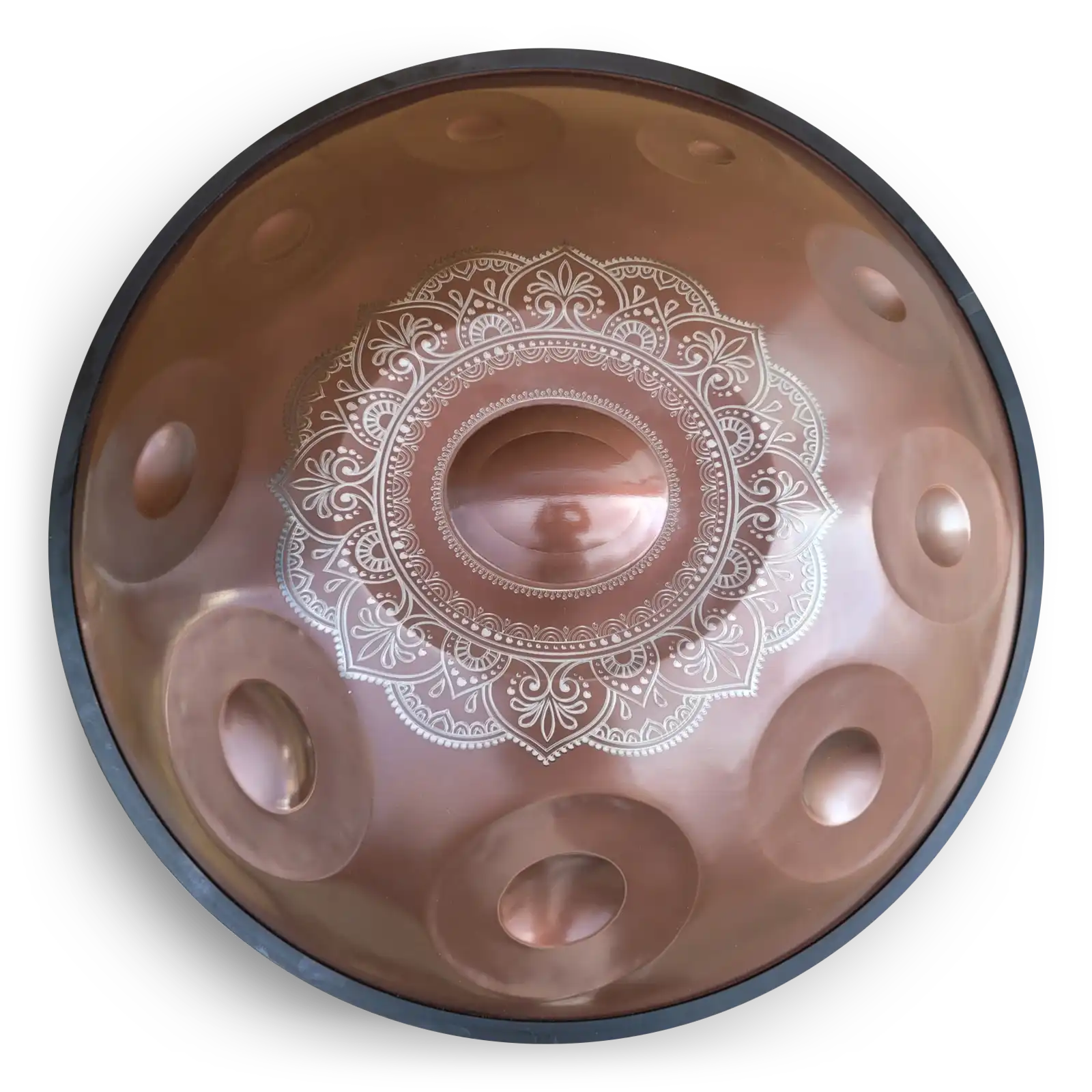
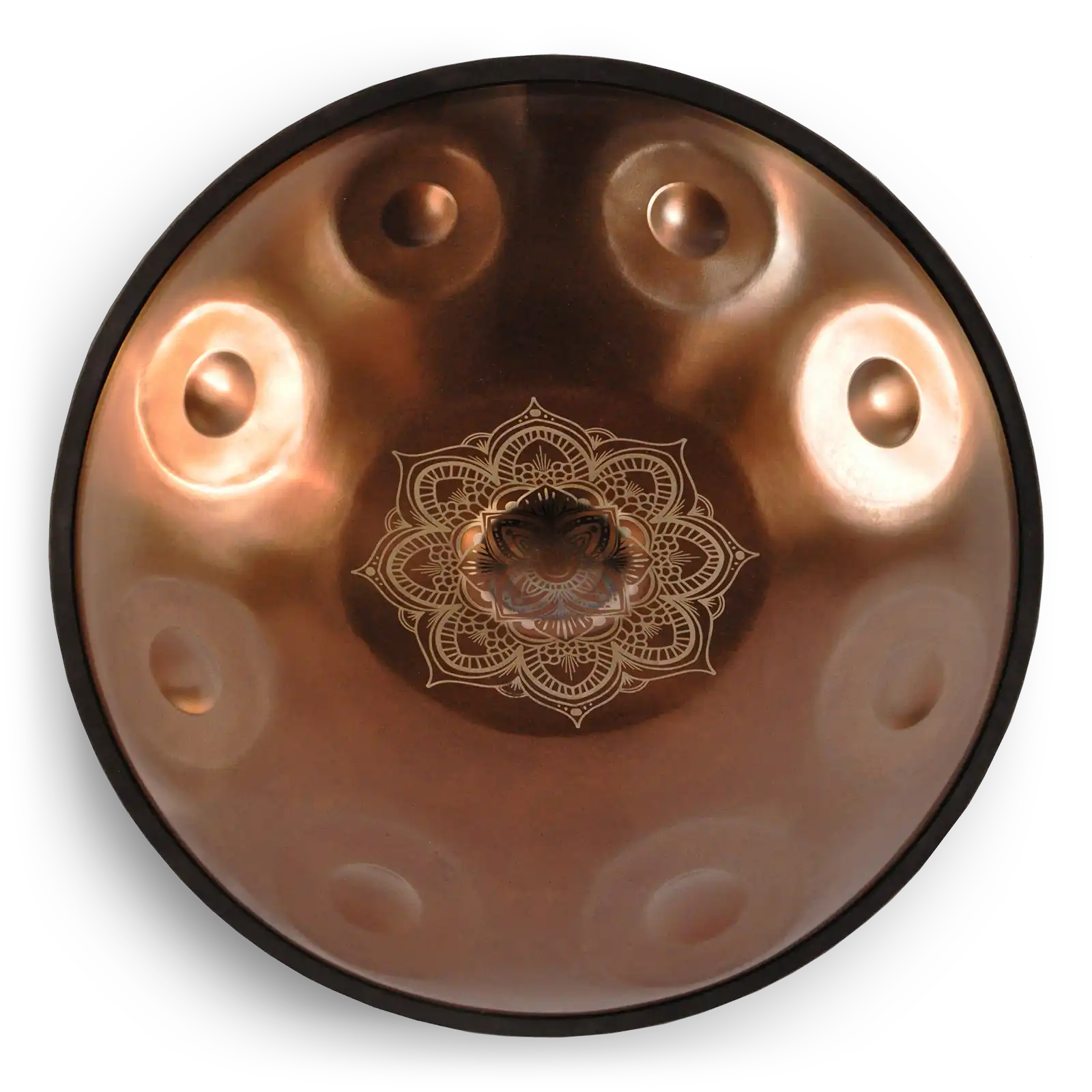
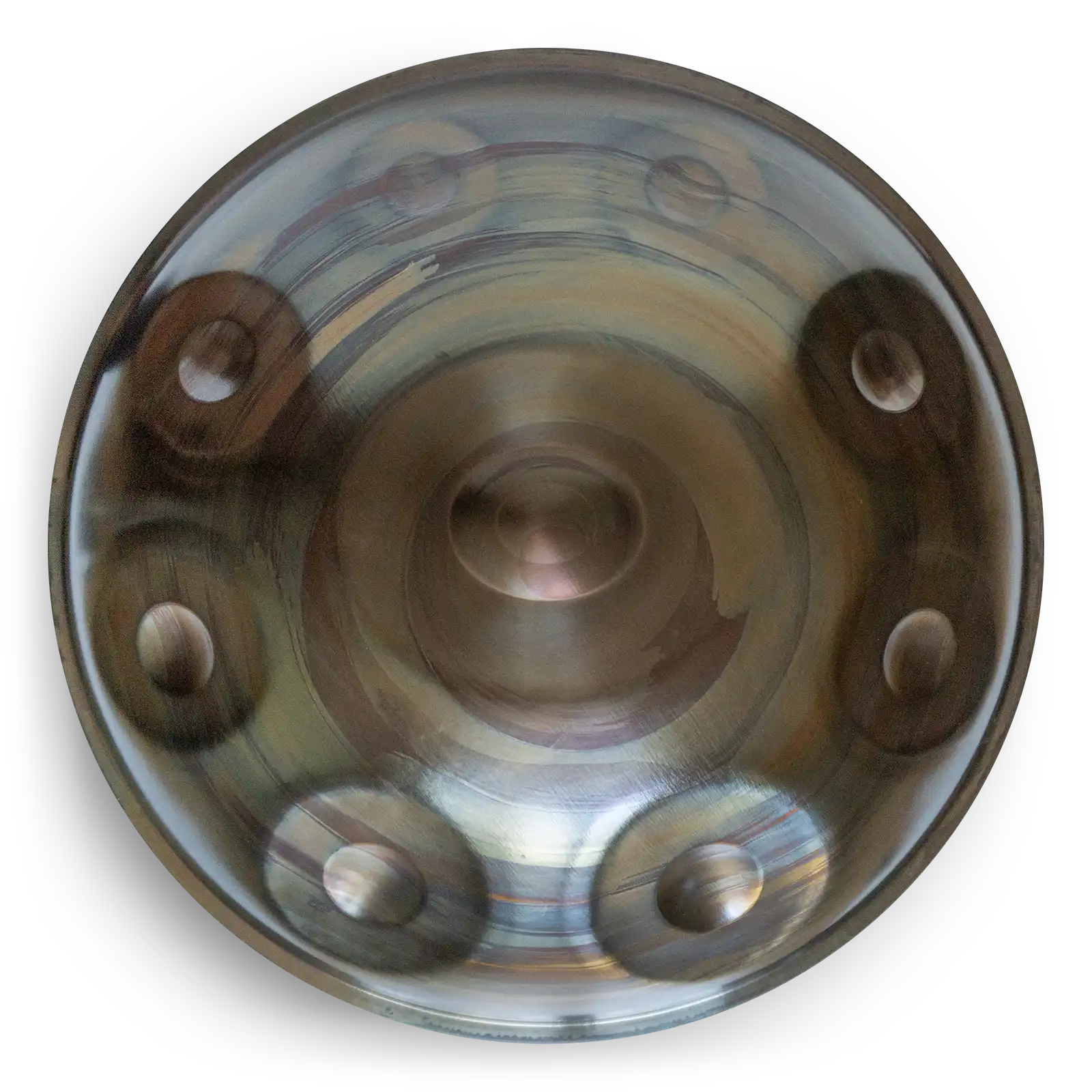
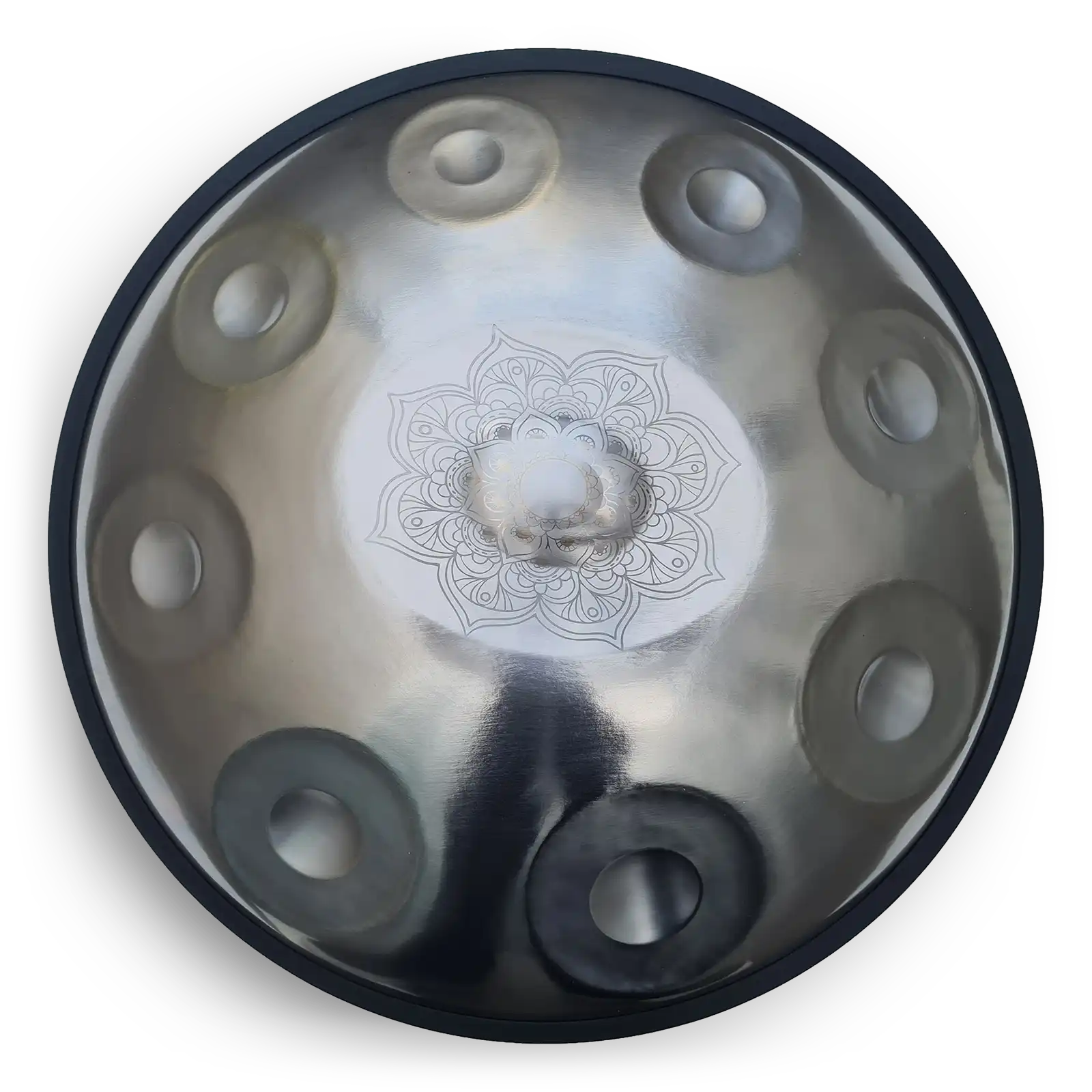
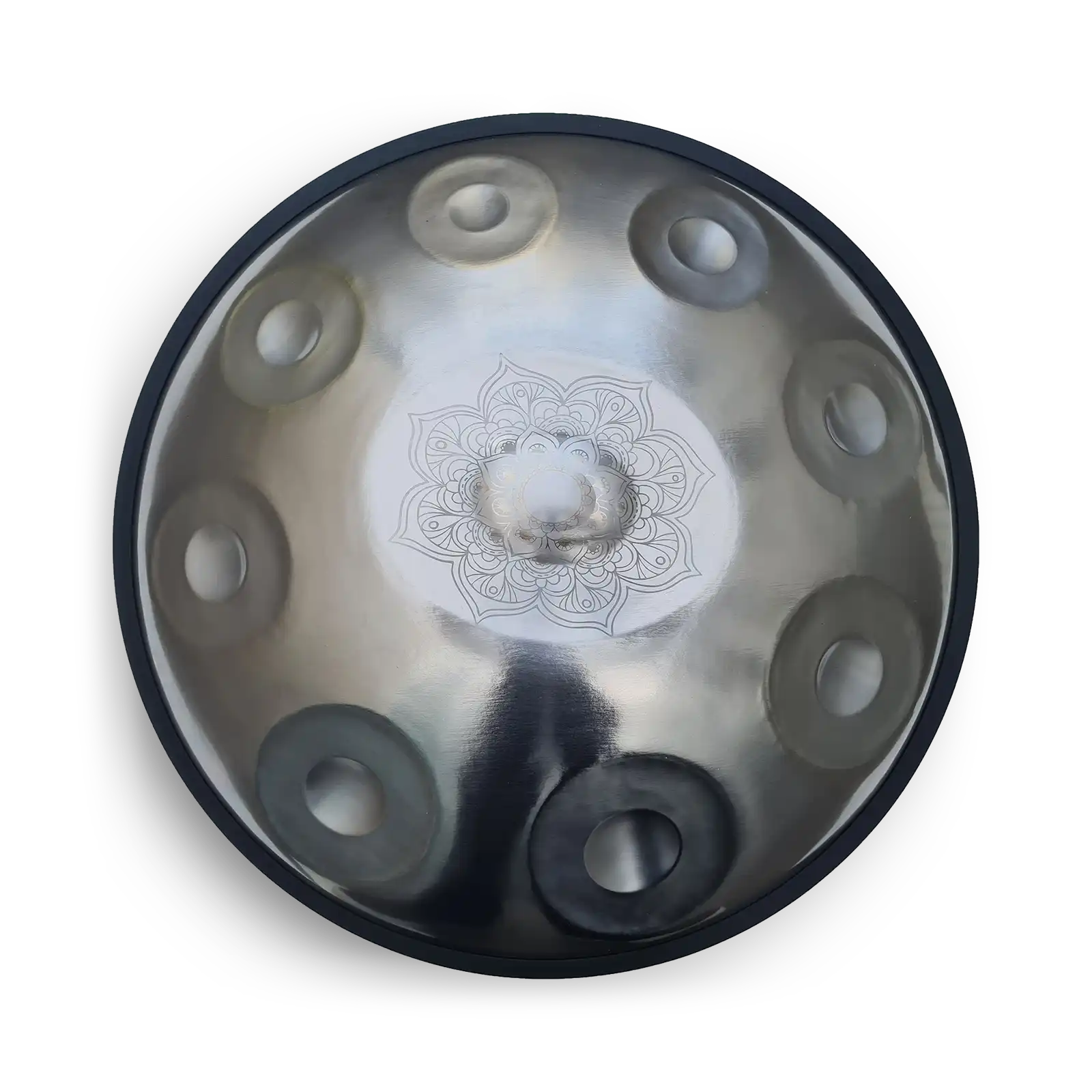
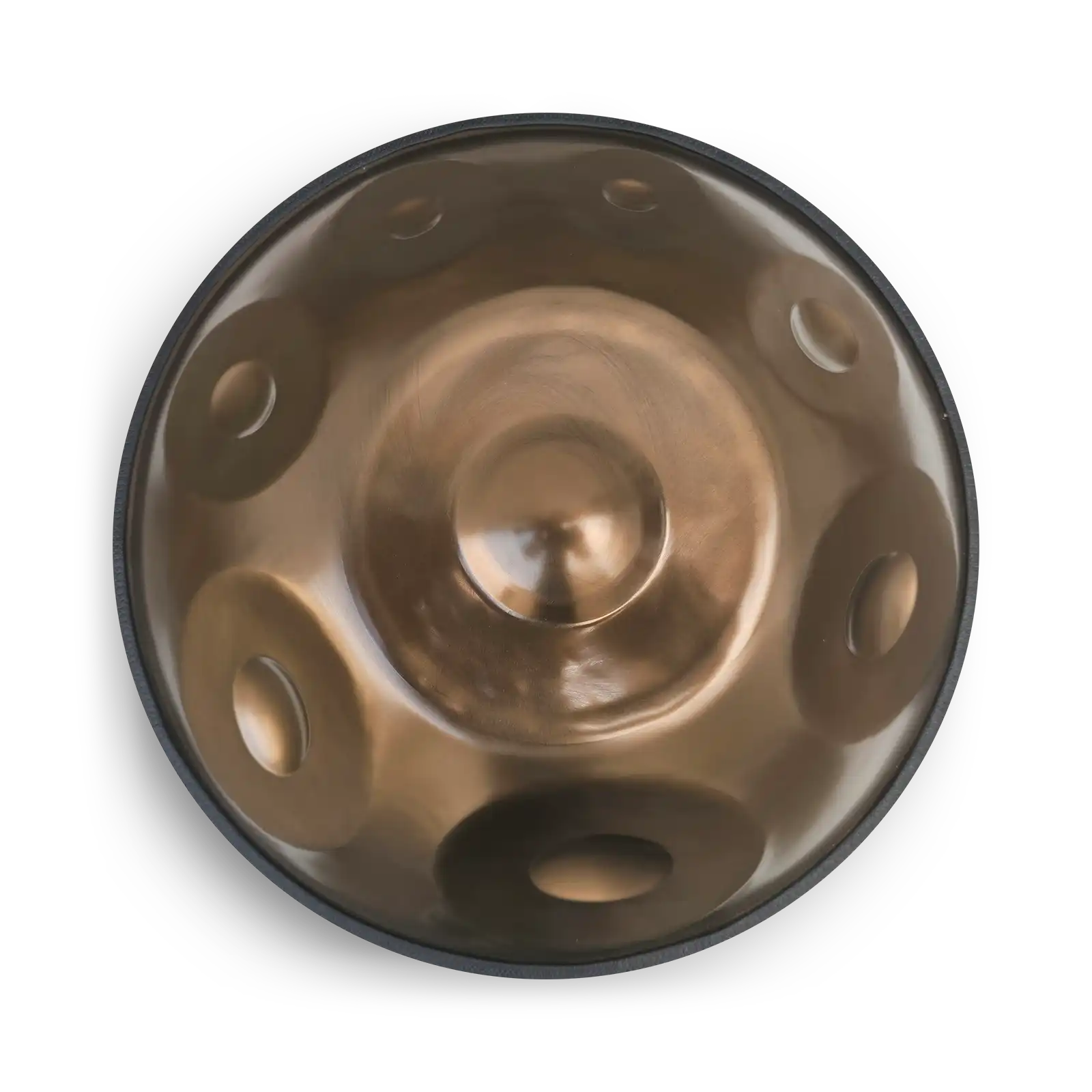
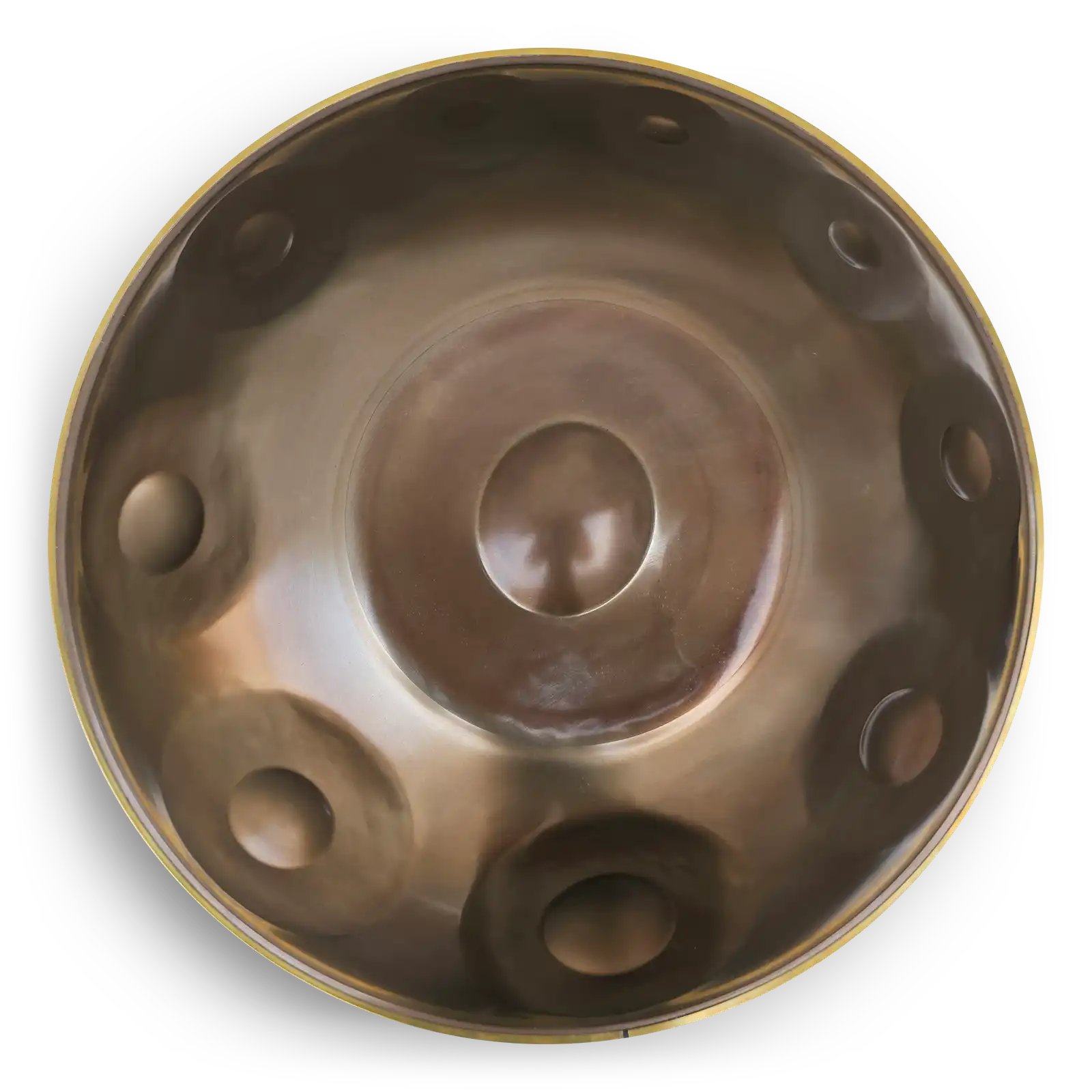
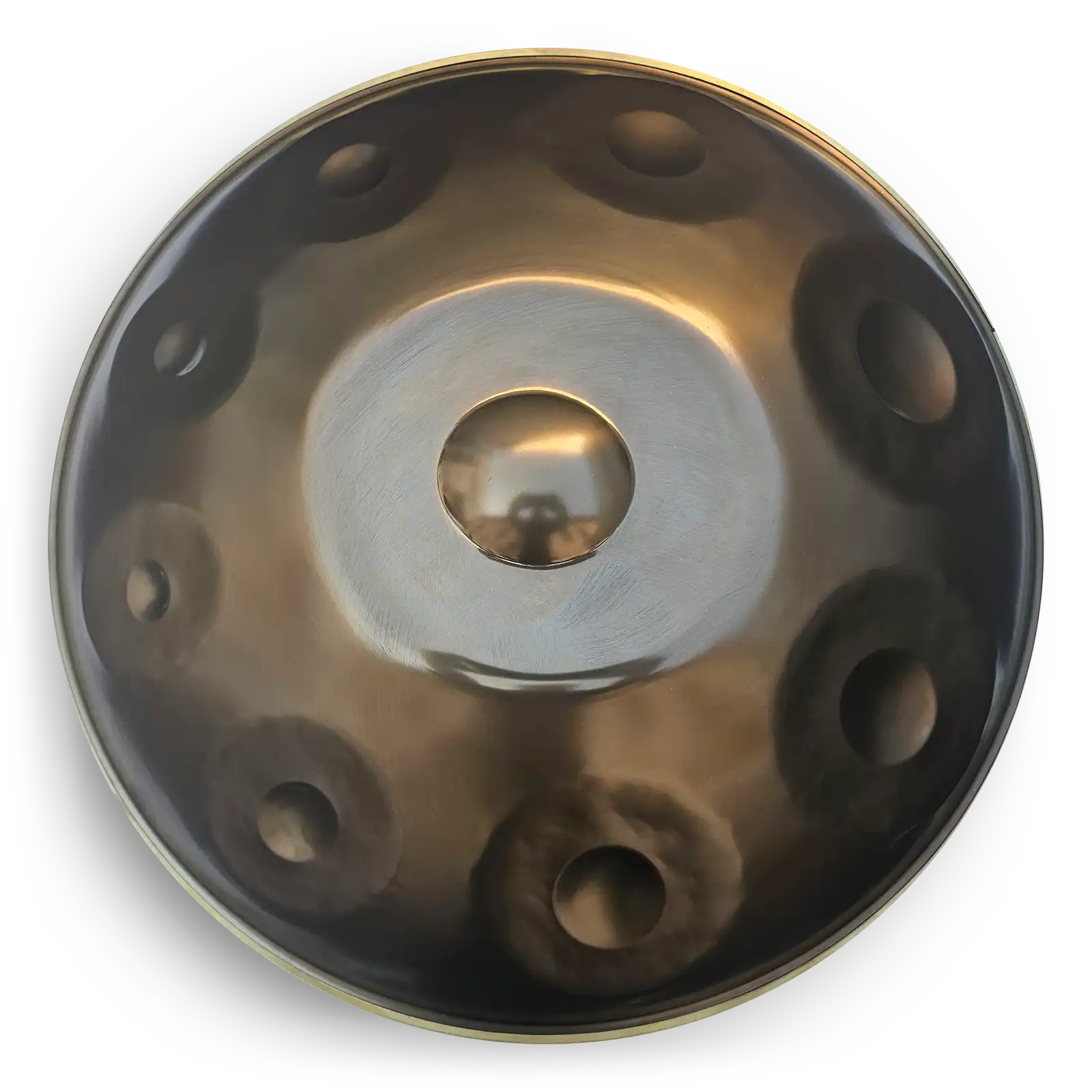
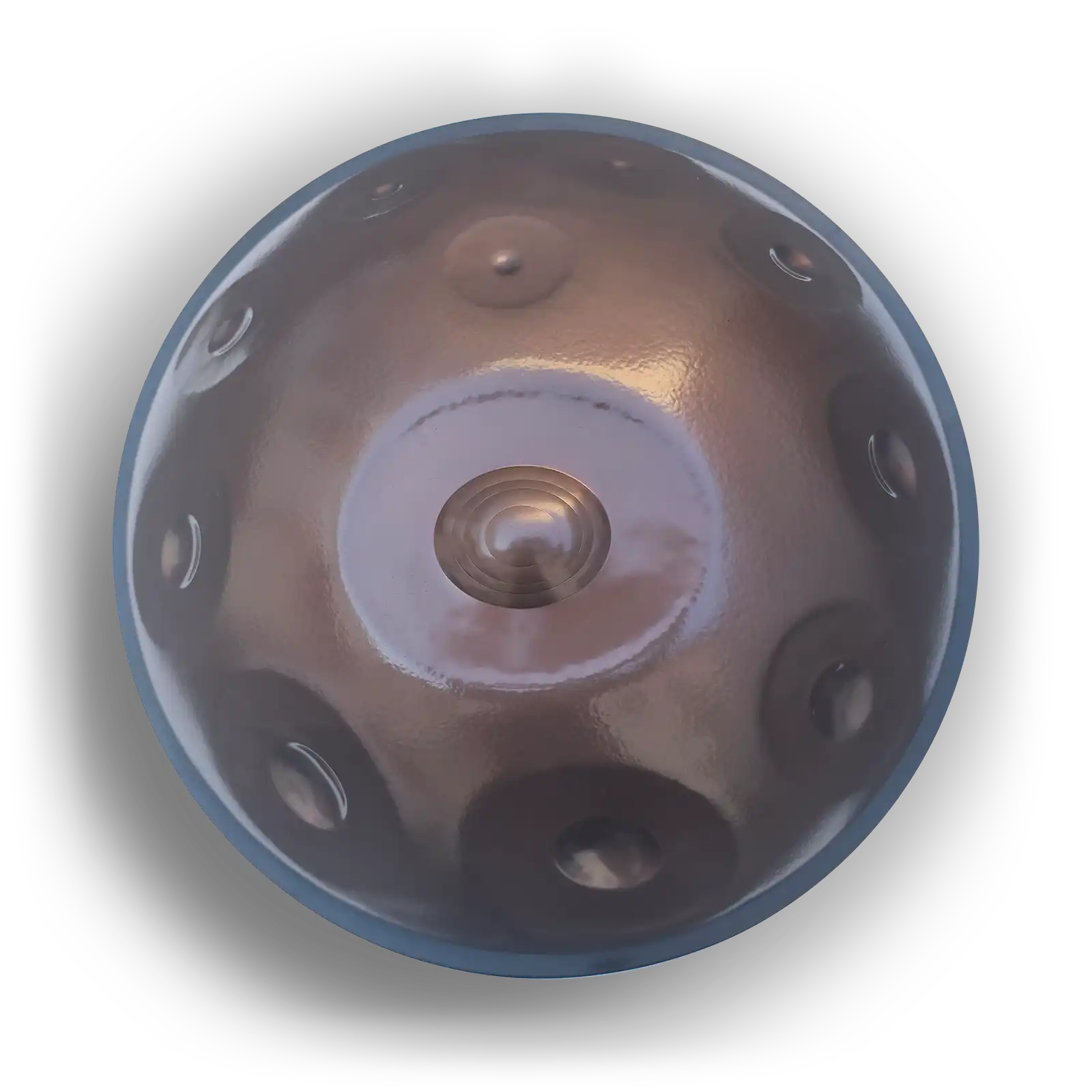
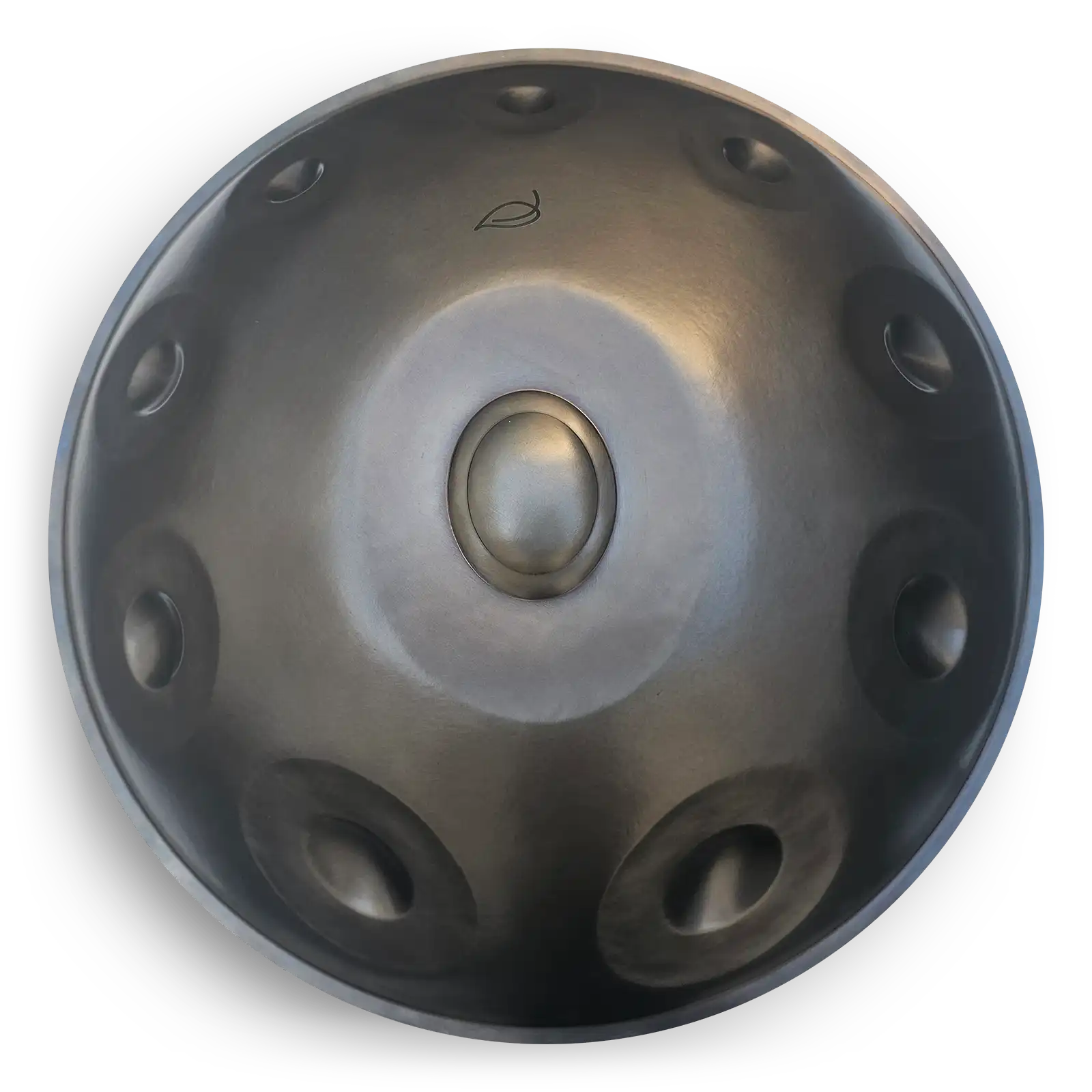
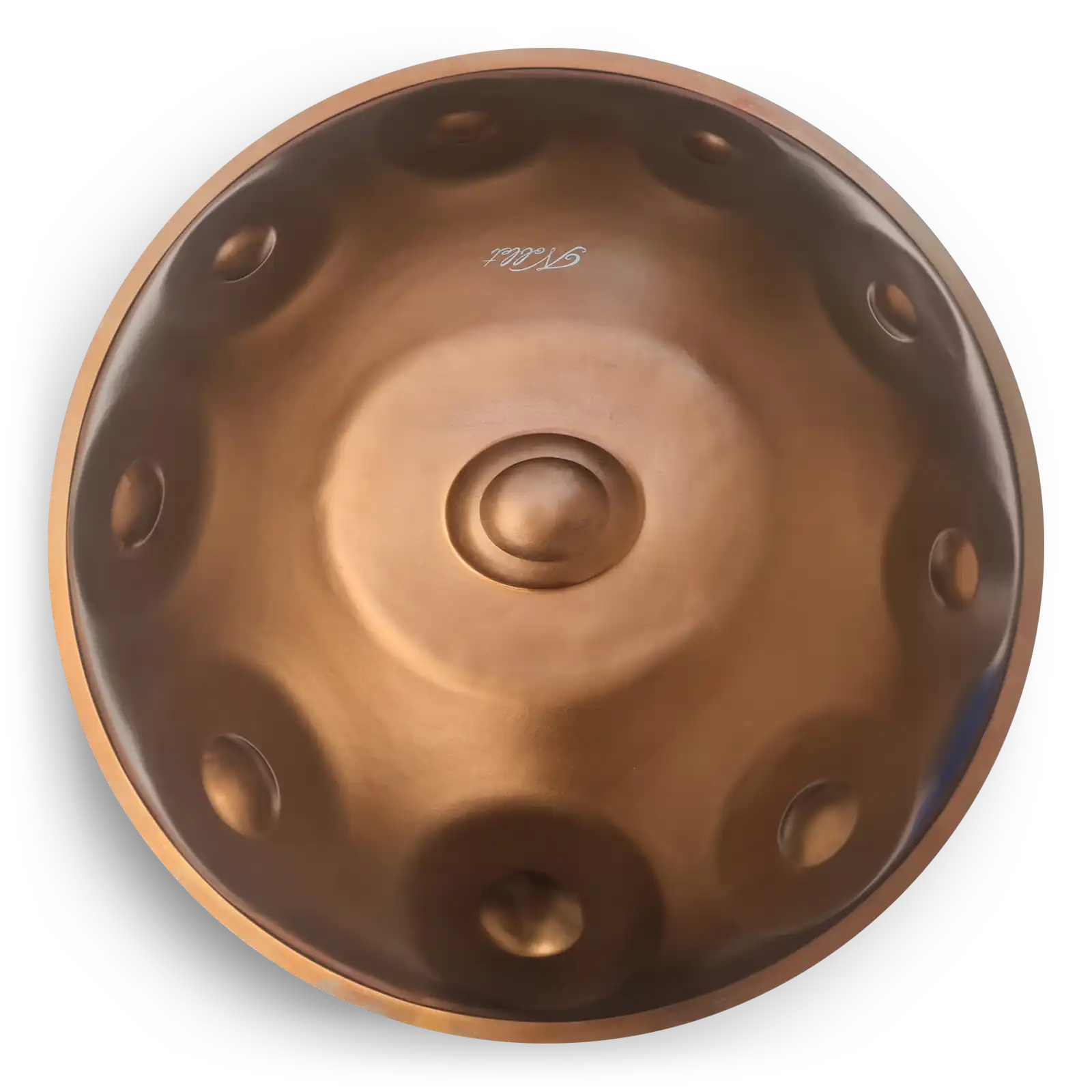
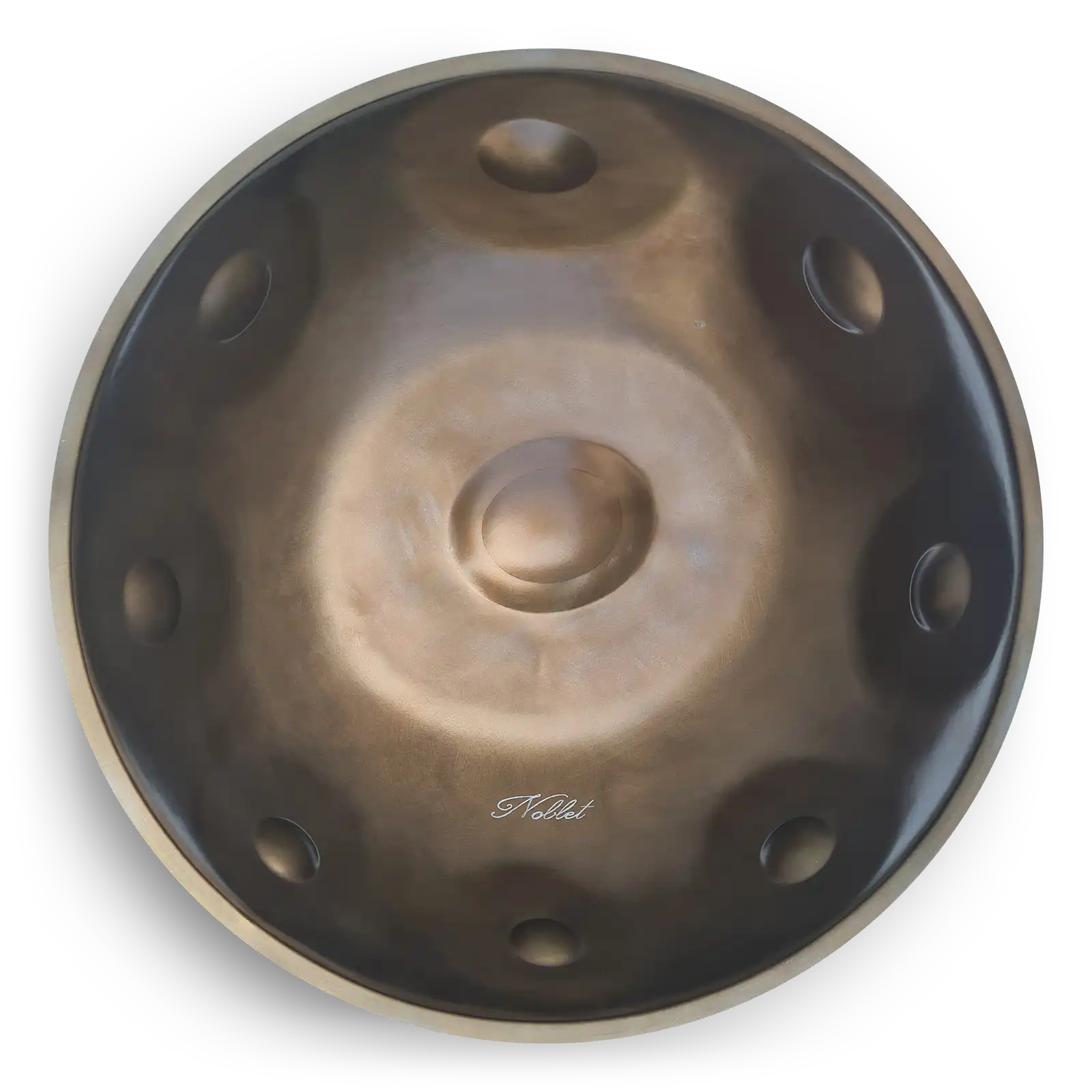

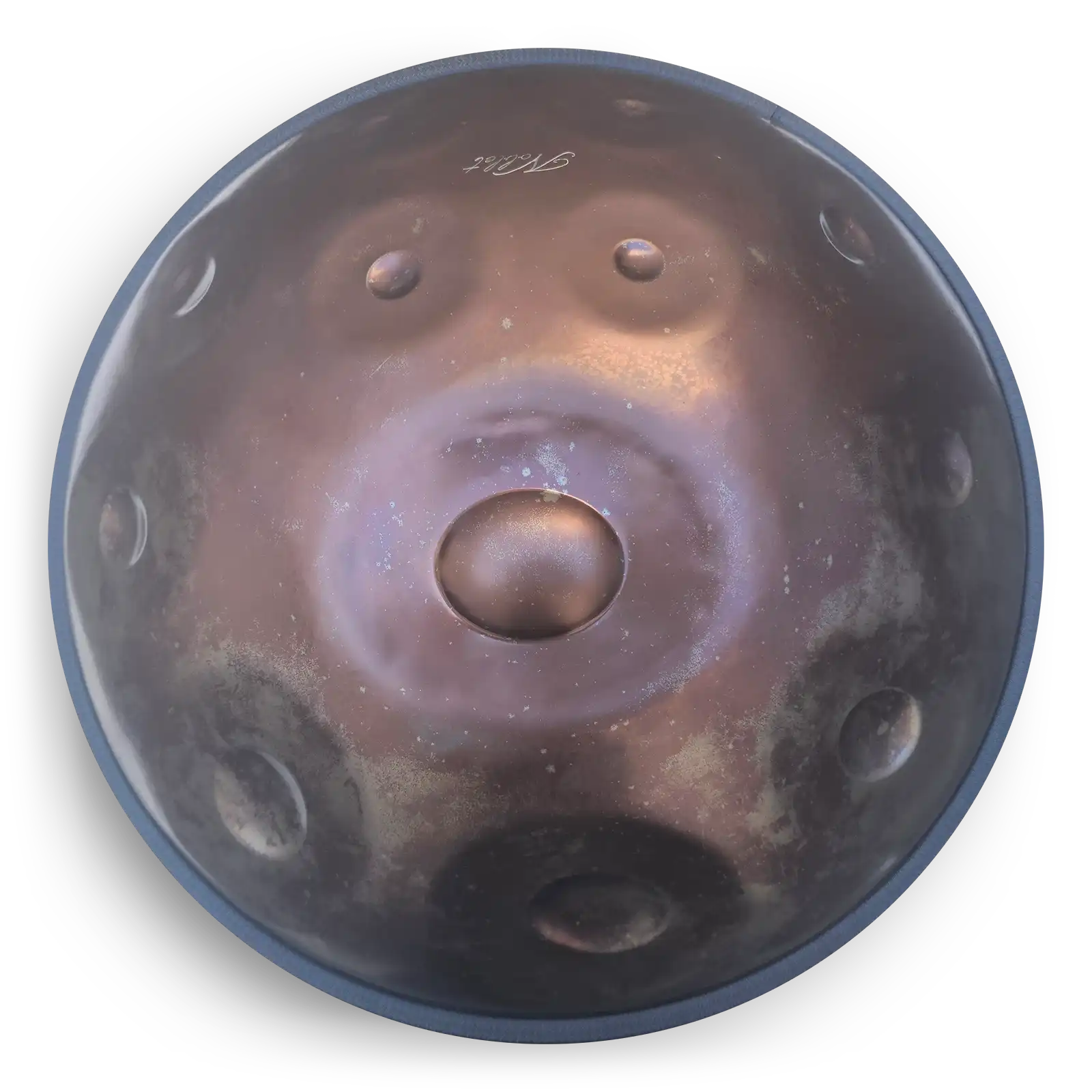
Still unsure? Renting gives you the time you need to familiarize yourself with this unique percussion instrument. Avoid impulse purchases and begin your musical adventure with peace of mind by renting the handpan that's right for you.
An Affordable Solution
The handpan is a unique instrument that can be quite expensive to own. Renting a handpan is therefore an ideal alternative. You can get started freely without immediately investing several hundred euros. You control your budget while discovering a musical universe with fascinating notes.
Also note that if you choose to purchase a handpan at the end of your rental period, the price of your first two rentals is immediately deducted from the purchase price with Sound-Sculpture. A winning formula!
Occasional use for an event or wellness session
Do you occasionally lead meditation sessions during which you like to use relaxing sounds? Are you organizing an amateur acoustic concert? Or are you going to lead a musical discovery workshop? In these cases, there's no point in investing in an instrument that will only be used occasionally.
Renting a handpan gives you access to high-quality percussion instruments. You use the instrument only when you want it. A practical and economical solution that fully meets your needs.
Duration, Conditions, and Returns
Our handpans are rented for a period of 15 or 30 days, depending on your choice. The rental period can be extended afterward and will be billed again.
When the instrument is shipped via DHL, a protective backpack is provided.
Once the rental period is over, the instrument will also be returned. You will receive a shipping label allowing you to return the instrument and accessories.
Cost and Security Deposit
Our most affordable models are available for rental starting at €95. This price includes the cost of shipping and the transport backpack.
A security deposit is required in case of damage to the equipment. This deposit varies depending on the level of the handpan. It generally represents 30% to 50% of the purchase value.
Get in touch with us at the end of your rental period and let us know if you want to purchase the product, return the product or extend your rental period.
Purchase after rental
If you wish to keep the product after the rental period, the price of the first two rental periods will be fully deducted from the purchase price. We will send you an invoice for the outstanding amount and after payment, the product belongs to your.
Return after rental
If you wish to return the products, we will send you a shipping label with which you can return the product. Please include all accessories and use the original packaging.
Extend rental
If you wish to extend the rental period, we will send you an invoice for the extension, and the rental process will start anew.
Especially if you're a beginner, it's important to know that not all handpans are the same: they vary in tuning, diameter, material, and the number and arrangement of notes. Let's explore these characteristics together:
Scales
These directly influence the choice of sound. Minor scales are more introspective and emotional, ideal for meditation; major scales, more joyful and luminous, are perfect for accompaniment.
Number of Notes
The simplest patterns have 8 or 9 notes and are suitable for beginners. Some advanced patterns can reach 15 or even 21 notes; they offer greater musical variety but are much more complex to master.
Dimensions
Here are the main diameters to consider:
- 46-48 cm: Compact, lightweight, and easy to carry. Suitable for children or small hands.
- 53-55 cm: Standard dimensions. They offer a good balance between playing comfort, portability, and richness of sound.
- 56-60+ cm: Models with powerful bass and greater resonance.
Frequencies
Tuning frequencies include:
- 440 Hz: Universal international standard, suitable for playing in groups with other instruments.
- 432 Hz: Considered more captivating, but incompatible with other instruments. Often used for holistic experiences.
Materials
Remember: there's no one material that's better than another; each has its own unique strengths. These include:
- Stainless steel: warm, resonant, and fluid sound. Ideal for slow, melodic styles. Easier to play then nitrated steel.
- Nitrided steel: dry, and crisp sound. Excellent for fast styles.
- Ember steel: This is a specific type of stainless steel.
Typology
Typology refers to the way the notes are arranged on the instrument. At Sound-Sculpture, we distinguish four categories:
- Normal: The most common standard. A central note, called a ding, is surrounded by a circle of 7 to 9 notes.
- Mini: Found on small-diameter handpans (46-48 cm). Fewer notes, but more portable.
- Bottom Notes: Characterized by the presence of additional notes on the lower part of the instrument.
- Mutants: Handpans with additional notes between the outer circle and the ding.
At Sound-Sculpture, we are passionate about handpans and, more broadly, about original sound experiences. Since 2016, we have developed true expertise in our field. We specialize in the sale of high-quality handpans, and our expertise also allows us to guarantee careful and professional maintenance of all our instruments.
From selecting the ideal handpan to preserving it over time, our experience allows us to support you throughout your musical journey!
Need help? Contact us!